News Story
Museums for Nature was launched by Natural History Museum on 26 May
Birmingham Museums is one of eight museums in the UK in the first year of the programme
It aims to transform museum sites, boost biodiversity and engage local communities in nature recovery.
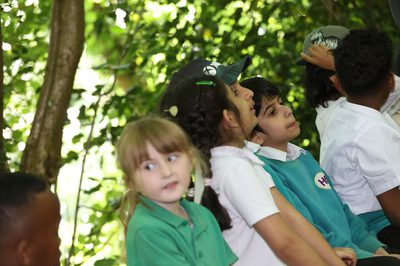
Birmingham Museums Trust is one of eight museums across the UK partnering in a programme to transform their sites, boost biodiversity, widen access to nature and engage local communities in nature recovery.
Museums for Nature, launched by the Natural History Museum (NHM) on 26 May 2026, aims to support biodiversity and help address nature loss in communities nationwide.
Following the opening of its new gardens in 2024, in the programme’s first year the NHM is partnering with eight museums from Real World Science, a network of museums across the UK that use their national history collections in a collaboratively developed national programmes to engage a range of public audiences with natural science, with plans to then expand to museums nationwide.
Museums for Nature will support museums to map existing habitats and identify interventions to enhance biodiversity across their gardens, while engaging communities to play an active role through community science and hands-on action.
From creating pollinator-friendly habitats to digging ponds and developing climate-resilient planting schemes, participating museums will help strengthen biodiversity in towns and cities across the UK.
Chris Keady, head of learning and research at Birmingham Museums Trust, said:
“Birmingham Museums Trust is delighted to be among the first partners in the NHM’s Museums for Nature project.
“As museums, we have a vital role to play in helping people connect with the natural world through learning, research and shared experiences.
“The trust already supports biodiversity through its extensive 250,000-specimen natural science collection, which acts as a vital, long-term resource for monitoring environmental changes.
“This initiative offers an exciting opportunity to transform our spaces in ways that support biodiversity and encourage communities to engage with nature.”
Tom Bevan, head of national programmes at the Natural History Museum, said:
“Building on the success of transforming our own gardens in London, Museums for Nature will connect millions of people with nature at scale, creating a network of nature-rich spaces across museum sites throughout the UK.
“As one of the most nature-depleted countries in the world, the UK must act. By working with museums to transform their spaces for nature, we can empower people to take action, deepen their connection with the natural world, and become advocates for the planet.”
Museums for Nature is made possible with The National Lottery Heritage Fund. Thanks to National Lottery players, this project will partner with museums across the UK to transform their sites, boost biodiversity, widen access to nature and engage local communities in nature recovery.
Stuart McLeod, Director of England - London & South at The National Lottery Heritage Fund, said:
“Thanks to National Lottery players, we are proud to support Museums for Nature - a programme that brings together museums and communities from across the UK to take meaningful action for nature. By transforming museum grounds into thriving green spaces, this initiative will help tackle biodiversity loss, improve access to green spaces and inspire people of all ages to connect with and care for the nature on their doorstep. It’s a powerful example of how heritage can play an important role in creating a more sustainable future for everyone and will be a fantastic legacy for this project.”
Other museums involved in the first year of the programme are The Herbert Art Gallery & Museum, Coventry; Great North Museum: Hancock, Newcastle upon Tyne; Amgueddfa Cymru - Museum Wales; Touchstones, Rochdale; Wollaton Hall, Nottingham; National Museums NI and the Natural History Museum, Tring.
Community science forms a key part of the NHM’s strategy to 2031 and is a priority research theme for the museum. This new project is a core part of the museum’s Urban Nature Movement – a collection of programmes that advances the NHM’s goal of creating advocates for the planet – people who speak up on behalf of nature and take action to protect it.