News Story
A City That Can opens on Tuesday 6 October 2026
It celebrates the people, places and sounds of Birmingham
Objects on display include original booth from a 1960s curry house, music and sports memorabilia.
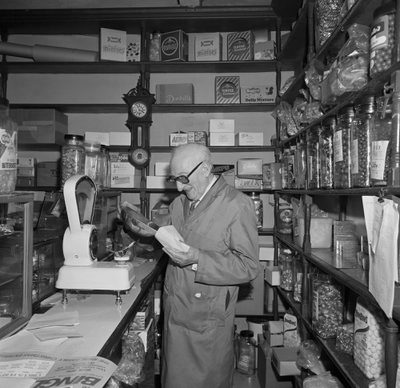
A new gallery celebrating the people, places, sounds and experiences that have shaped Birmingham since the 1950s is set to open at Birmingham Museum & Art Gallery on Tuesday 6 October 2026.
A City That Can tells its story through the eyes of Birmingham Museums’ Citizens’ Jury, a project commissioned by Birmingham Museums Trust in 2024 to challenge ideas about who museums are for and what belongs in them - not just famous people and historic moments, but everyday lives, memories and the lived experiences that make Birmingham what it is.
The citizens’ jury is the first of its kind to take place in a museum in the UK and was commissioned with support from the National Lottery Heritage Fund and facilitated by Shared Future.
The gallery reflects on some of the jury’s recommendations and explores snapshots of life in the city since the 1950s. It is divided into the themes Be Loud, Make Change and Play Hard, which explore some of the ways Birmingham people have reshaped their city and made their mark.
Be Loud celebrates Birmingham’s activism, community spirit and the city’s rich and diverse musical heritage.
Items on display include a 1950s portable record player, an Honor melodeon donated by Irish musician Pat Brennan, material connected to the pioneering Birmingham-based Oriental Star Agencies record label and membership cards from 1962 for the Tudor Dance & Social Club at the Locarno dance hall in Hurst Street.
It also explores the communities and businesses that have helped shape Birmingham.
A recreated table setting from the Koh-I-Noor curry house recalls one of the city's earliest curry houses, which opened on Horse Fair in the 1960s. The booth was saved by artist and curator Mohammed Ali who persuaded builders renovating the restaurant to let him have some of its original partitions and unused rolls of wallpaper so that it could be preserved.
From grassroots clubs and community groups to professional teams, the city has nurtured world class athletes and given thousands of people a place to play and watch sport.
The Play Hard theme includes boots and a mouthguard donated by Birmingham-born bare knuckle boxer Melanie Shah, skates that belonged to speed skater Eric Grinsell and a Small Heath Harriers running shirt from Nellie Batson Loines.
Among other items on display are Chad Valley toys made in Birmingham between the 1950s and 1970s and a vintage Cluedo game from the 1960s. The iconic murder mystery board game was invented in Birmingham during the second world war by Anthony Pratt, whose wife Elva was also instrumental in designing the board.
Make Change tells the story of the citizens’ jury in their own words, including the impact of the jurors’ work and how the experience has influenced their own lives.
Visitors are also encouraged to share their own memories of growing up, living and working in the city.
Sara Wajid and Zak Mensah, co-chief executives at Birmingham Museums Trust, said:
“From music and sport to activism, migration, work and leisure, A City That Can celebrates the people and experiences that have helped make Birmingham the city it is today – leaving space for the stories still to be told.
“Rather than presenting a single version of Birmingham’s history, the new gallery invites visitors to explore the extraordinary stories of ordinary Brummies and to consider how their own experiences fit into the city’s ever-changing story.
“We hope visitors will help us build on Birmingham’s story by sharing their own memories, knowledge and experiences. Museums don’t have to be the final word on history – they can be places where stories continue to grow.”