News Story
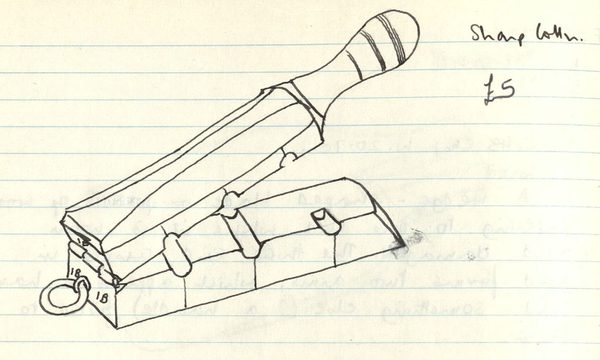
Documentation Detectives is a crowd sourcing project to digitise information from paper accession records
Volunteers transcribed records to make previously hard to access details about objects more accessible
More than 3,400 volunteers have completed over 85,000 records dating back to between 1912 and 2003.
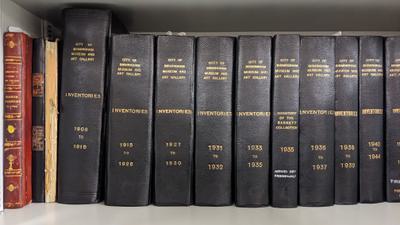
Birmingham Museums is celebrating a major milestone for a crowd sourcing initiative to digitise and unlock information from its paper accession registers dating back over a century.
Documentation Detectives, part of the 10-year Dynamic Collections programme, was set up to enable volunteers to help transcribe accession records so they can be added to Birmingham Museums’ collections database and make previously hard-to-access details about objects more discoverable and useful for research, exhibitions and the public.
For nearly two years, volunteers from around the world have been working through entries that hold key information about objects’ origins, materials and histories using the online platform Zooniverse. The final upload of records for transcription was made on 31 December 2025.
Since the beginning of the project, more than 3,400 volunteers have completed over 85,000 records dating back to between 1912 and 2003 of objects from various collections including archaeology, fashion, fine art, numismatics, social history and natural science.
The volunteers’ work has already directly influenced how collections are displayed and discussed with the public.
Research uncovered through the project helped to inform the development of The Elephant in the Room: The Roots and Routes of the City’s Collections, an exhibition at Birmingham Museum & Art Gallery that explores Birmingham’s global connections and the colonial histories behind some museum objects.
Transcribed records helped curators identify and contextualise items linked to imperial trade and conflict, ensuring the exhibition was grounded in detailed historical evidence.
The next step for the project will be to import the transcriptions into a dedicated accession registers section of the collections database exactly as the volunteers have typed them up on Zooniverse.
This data will then be used to fill in gaps in the core object record information, which will be crucial for creating a public database.
Further documentation projects are also planned which can involve local Birmingham-based participants both in person and remotely.
Alex Pinford, collections information assistant at Birmingham Museums Trust, said:
“This landmark step in our Dynamic Collections project has brought us tangibly closer to building the public collections database we have dreamt of for years, opening doors that have been closed for generations.
“We still vividly remember the shock we felt when our initially prepared batch of 28,000 files was completed by our volunteers in less than two weeks.
“The project has surpassed all expectations and we cannot thank our documentation detectives enough for their contributions.”
More information about the Documentation Detectives project and the Dynamic Collections programme can be found on the Birmingham Museums Trust website.